

This question lies at the heart of Plato’s Allegory of the Cave, one of the most powerful ideas ever written in philosophy. Even though it was written more than 2,000 years ago, this theory explains modern life better than many books written today. It speaks about how humans understand reality, why change feels painful, and why truth is often rejected before it is accepted.
Plato did not explain this idea using complex language. Instead, he told a simple story because the truth is often easier to understand when it is shown, not forced.
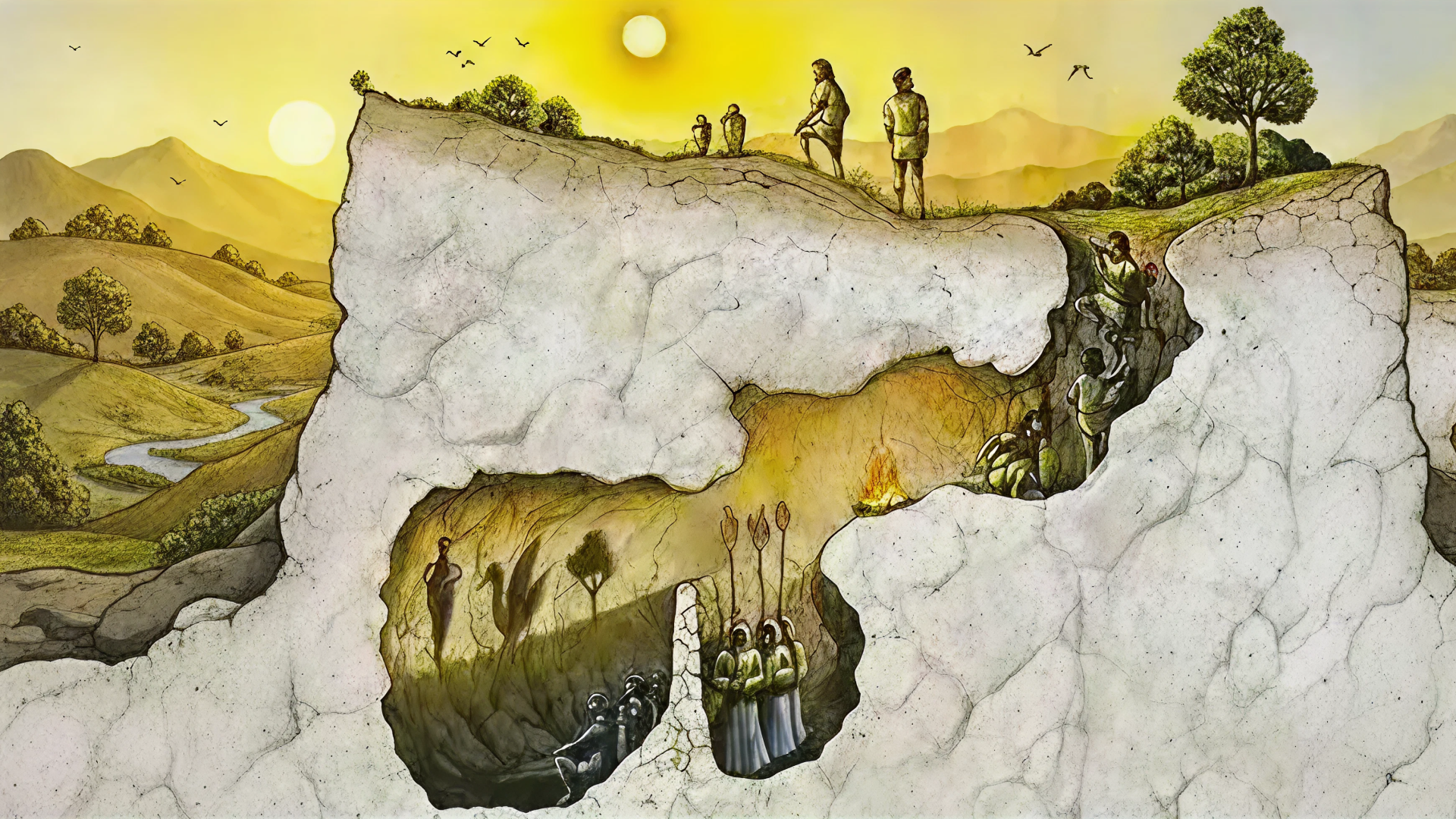
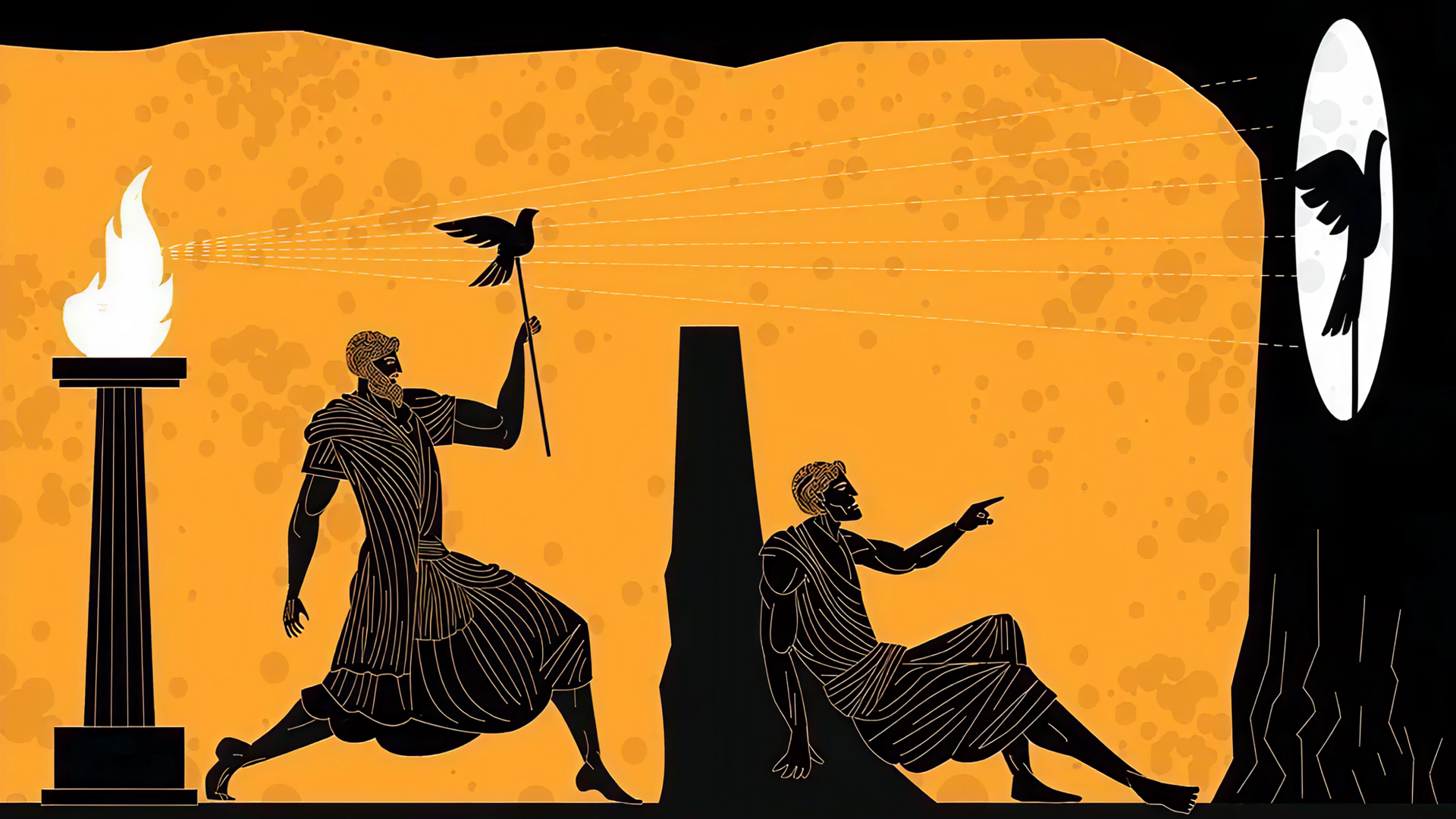
Plato asks us to imagine a dark cave. Inside this cave, a group of people are chained from birth. They cannot move their bodies or turn their heads. All they can see is the wall in front of them. Behind them, a fire is burning, and between the fire and the prisoners, people walk while carrying objects like tools, statues, and shapes.
Because of the fire, shadows of these objects fall on the wall. The prisoners see these shadows every day. They hear sounds, see movement, and slowly begin to believe that these shadows are the real world. Since they have never seen anything else, they have no reason to doubt it. For them, the shadows are reality.
This is where Plato makes his first powerful point: humans often mistake what they see repeatedly for the truth, even when it is incomplete or false.
Now imagine that one prisoner is suddenly freed. At first, he turns around and sees the fire. The light hurts his eyes. He feels confused and uncomfortable. Everything he believed before now feels wrong. When he is taken outside the cave, the sunlight blinds him. It takes time for his eyes to adjust.
Slowly, he begins to see clearly. He sees real objects. He understands that the shadows were not lies but they were not the full truth either. They were only reflections of reality.
This moment represents real learning. True understanding is not instant or comfortable. It often begins with confusion, doubt, and even pain. Growth requires the courage to accept that what we once believed may have been limited.
The freed prisoner feels responsible. He returns to the cave to tell others what he has seen. But instead of being welcomed, he is laughed at. His eyes struggle in the darkness, making him look weak. The prisoners feel that their world is being threatened.
To them, the cave feels safe. The shadows feel familiar. The truth feels dangerous.
Plato highlights a hard reality here: people often reject truth not because it is false, but because it disrupts comfort. New ideas challenge identity, belief systems, and emotional security.
The cave is not a physical place. It is a mental state.
It represents a life lived without questioning where opinions are accepted without thought, beliefs are inherited, and comfort is valued more than truth. The chains are fear, habits, social conditioning, and ego. The shadows are half-truths, surface knowledge, and repeated narratives. The sun represents wisdom, clarity, and deep understanding.
Leaving the cave means choosing awareness over comfort.
In modern life, the cave exists everywhere.
In education, students who only memorize without understanding are seeing shadows. Real learning begins when someone questions, explores, and thinks independently.
In society and social media, people consume information without verification. Algorithms decide what we see, shaping beliefs without our awareness. Most arguments today are between shadows, not truths.
In professional life, many people follow paths chosen by society, not by self-awareness. Fear of failure keeps them inside comfortable caves, even when growth waits outside.
On a personal level, self-reflection is also a form of leaving the cave. Facing one’s flaws, habits, and limitations is uncomfortable—but necessary for growth.
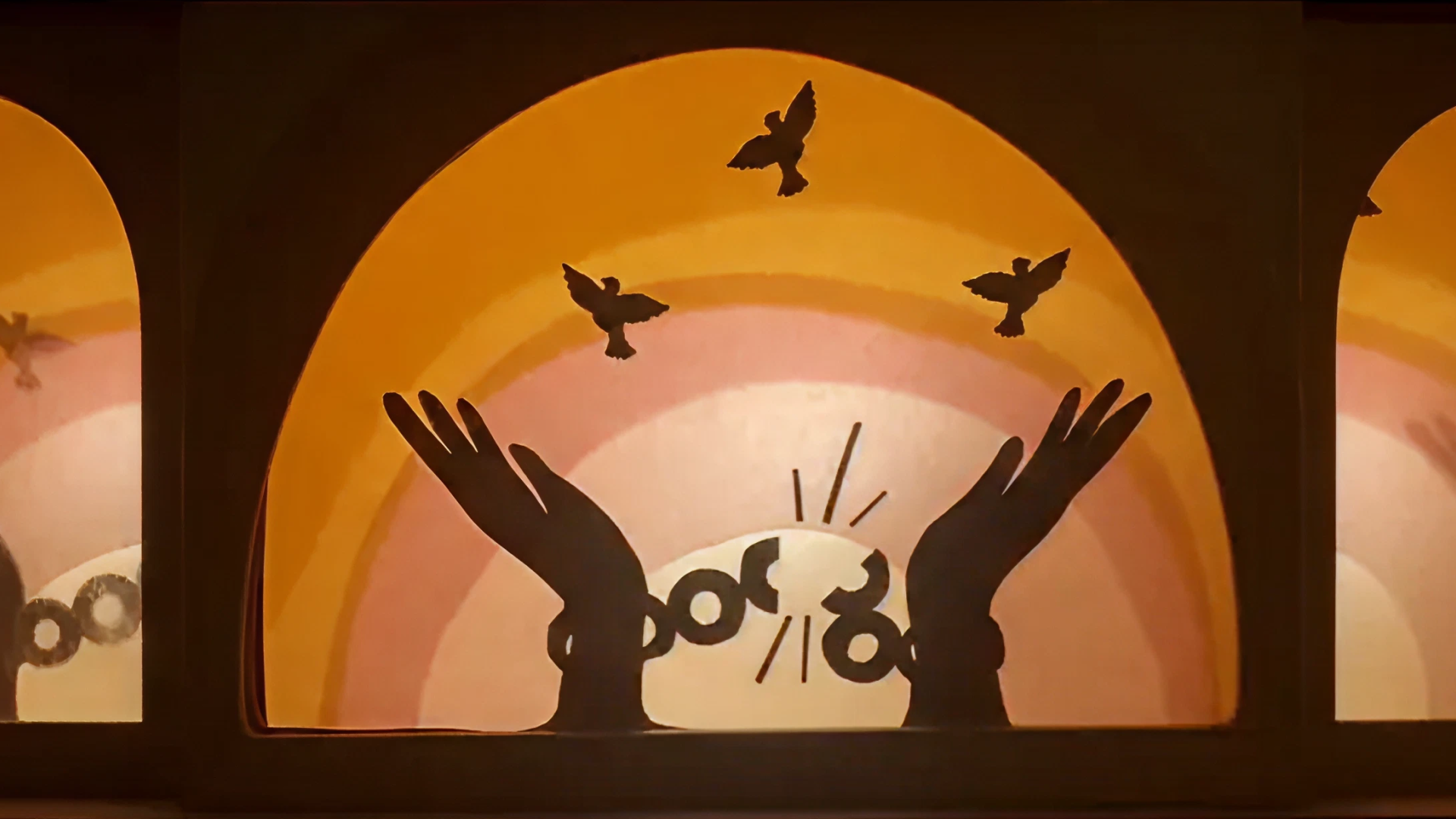
Plato’s message is simple but uncomfortable: ignorance feels safe, but it limits life. Truth may feel painful at first, but it leads to freedom.
From this theory, we learn that:
Plato’s Allegory of the Cave is not just a philosophical story. It is a guide for conscious living.
Most people never realize they are in a cave. A few sense that something feels incomplete. And very few step out, face the light, and change forever.
Once you see clearly, you cannot return to shadows.
And that is why real knowledge does not just inform you it changes who you are.